Relationships First
We all thrive when rooted in nourishing and vital relationships: with one another, with the natural world, with our communities, and with our own inner selves.
Read More
What are Resilient Communities?
The most essential requirement for Resilient Communities is to birth, nurture, and grow a psychologically and socially healthy new culture, community by community, as seeds of a new society.
Read More
Forming and Becoming Successful
Successful Resilient Community prototypes require uniquely qualified, high-functioning members to start with, but such people are not easy to find and bring together.
Read More
The Network
Consists of an experienced organizing team, multiple U.S. landholders with 2 to 120 acres, aligned organizations, motivated Communitarians, and a formative group of organizing Stewards.
Learn More
Our Economic Structure
Offers a novel framework for small groups (5-15 adults) to cooperatively acquire permanent land and housing subject to sound agreements for the good of all.
See How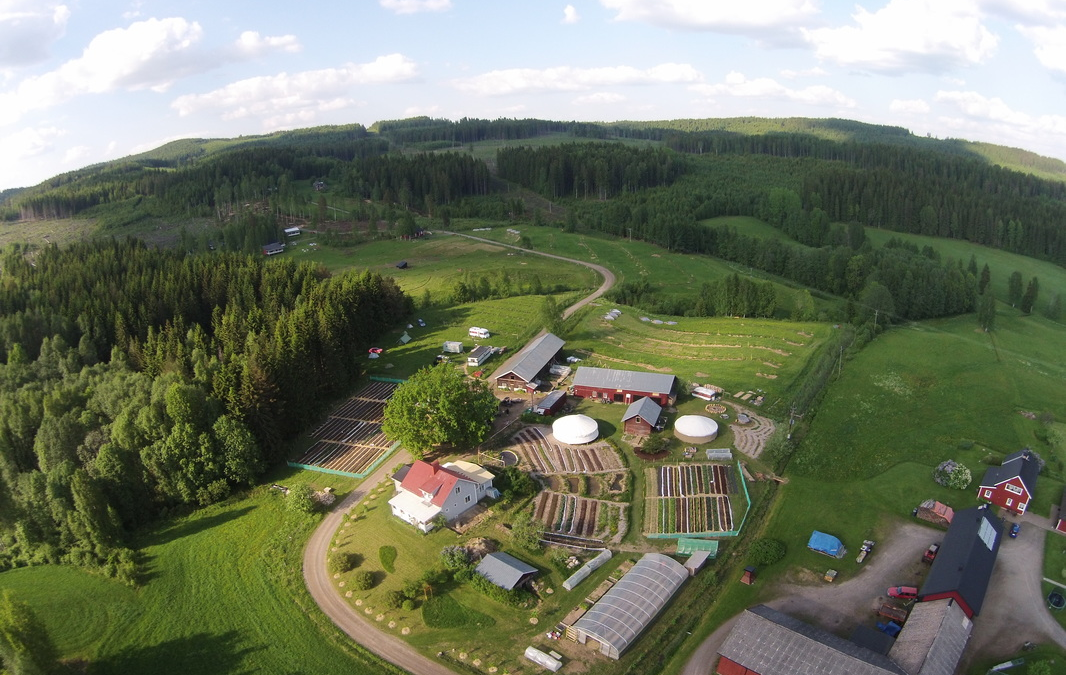
How It Works
Instead of paying rent or a mortgage, members make affordable monthly equity-share payments along with a specified share of operating costs.
Learn About Our Community ModelTransform crisis into opportunity through a thriving network of Resilient Communities.
The relentless breakdown of our climate, ecosystems, institutions, communities, and too many people themselves is heartbreaking. Thankfully, we can choose a better way.
What if we all cared about our neighbors? What if we found strength in our diversity? What if we shared resources to reduce our expenses and waste and to create more interconnection? What if we worked together on common-sense solutions instead of letting ourselves be divided by ideologies?
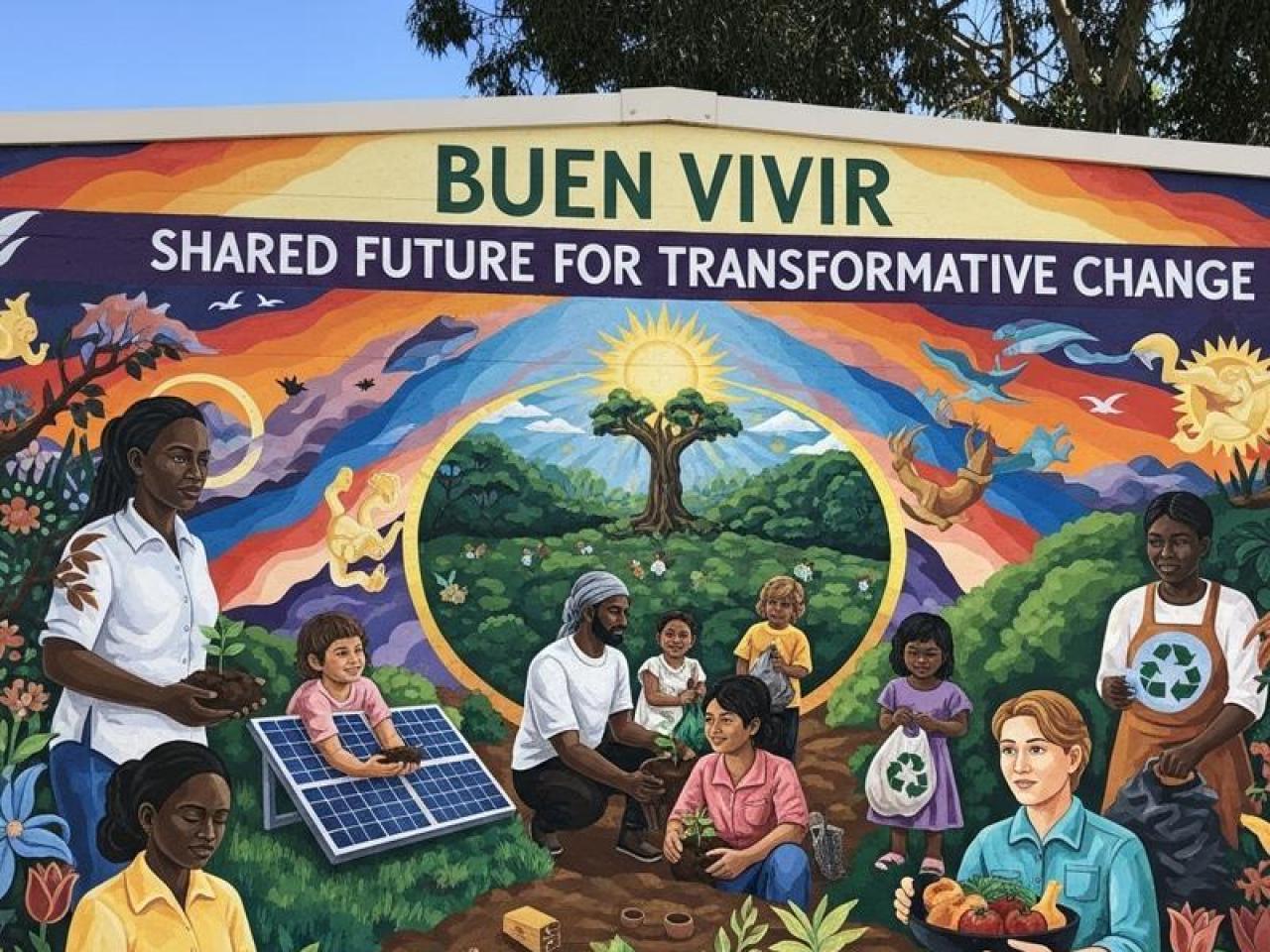
When you look at our current systems, most people's needs are not being met.
Housing is unaffordable for too many. Our possessions often possess us. Corporations sacrifice our health for profit. The powers-that-be divide us. Distractions and misinformation inundate our media. Many work to live and live to work, but what are they working for?
What would it be like if we instead cultivated a regenerative way of life that planted the seeds of a sustainable tomorrow? ...if we propagated this vision through practical prototypes? …if we proliferated these prototypes globally?…
Resilient Communities are:
- small socially and economically cooperative groups
- living in simple, affordable, low-impact communities in town or country
- consuming a small fraction of the energy and materials that industrial society does
- regeneratively producing much or most of their own food and other daily needs
- nurturing the well-being of the members, wider community, and environment, and
- sequestering more carbon in soil, trees, plants, and structures than they emit
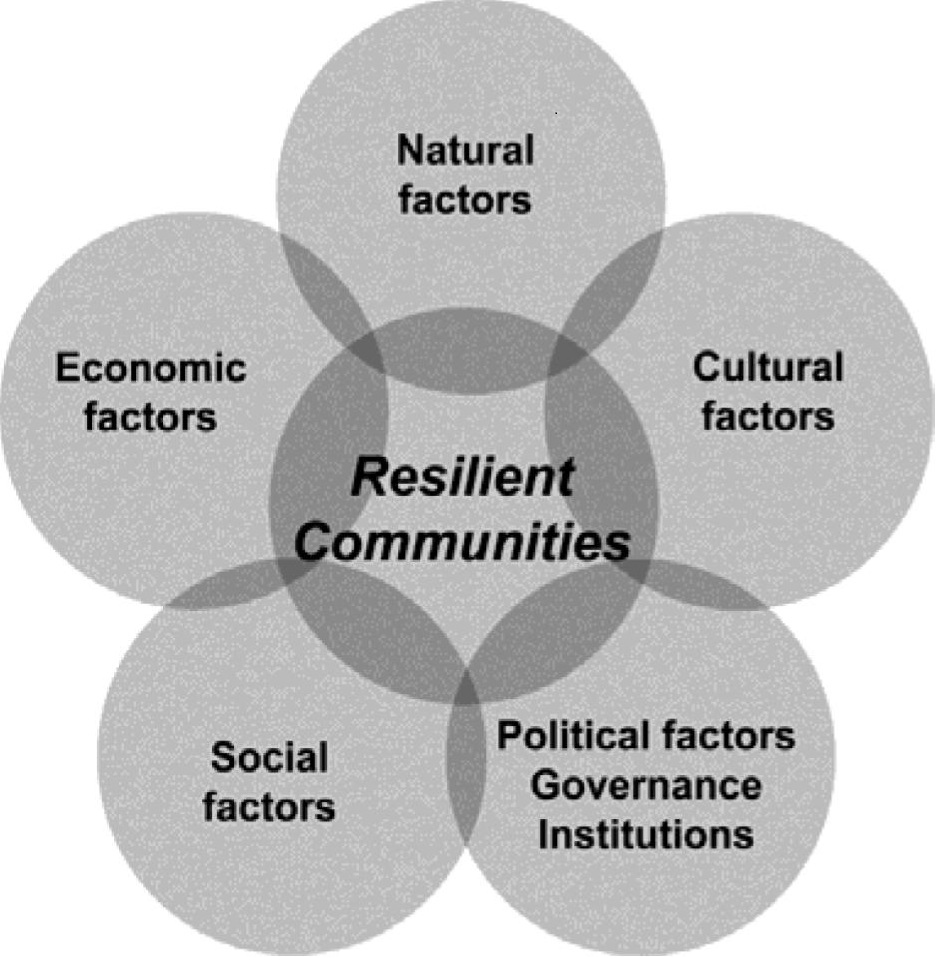
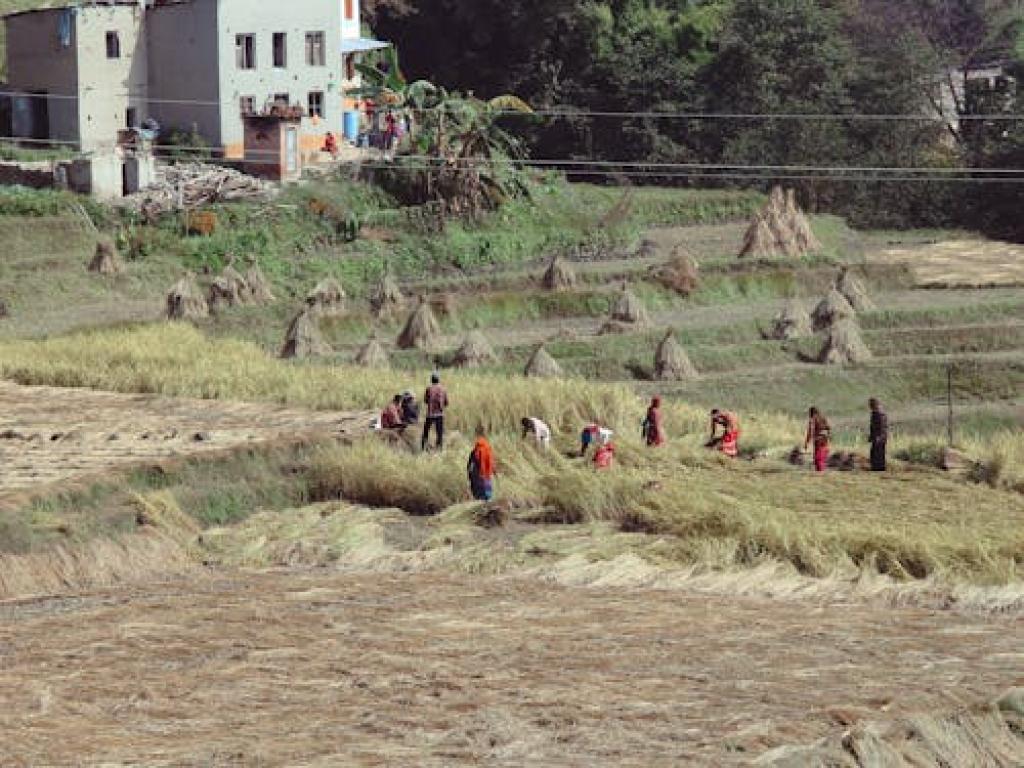
Resilient Communities help alleviate our global existential crises by:
- replacing competition and extraction with collaboration and regeneration
- reviving cooperative relationships that allow people to live together in harmony
- reducing consumption of energy and materials to a truly sustainable level
- regenerating the land and ecological systems upon which we all depend
- restoring the health and well-being of people and communities, and
- reducing carbon emissions below what is sequestered into soils, plants, and buildings.
The technical means to establish Resilient Communities are simple, though not always easy.
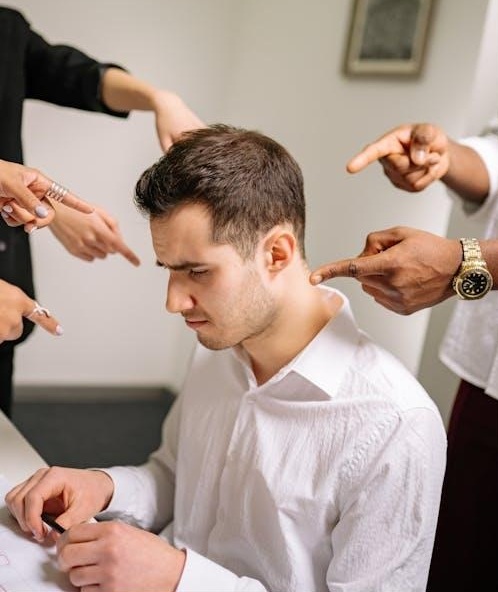
Many ways to do so are well-proven. The primary challenge demonstrated by decades of experience in intentional communities and ecovillages is the psychological and social dysfunction that permeates much of our society and infects almost all groups of any size.
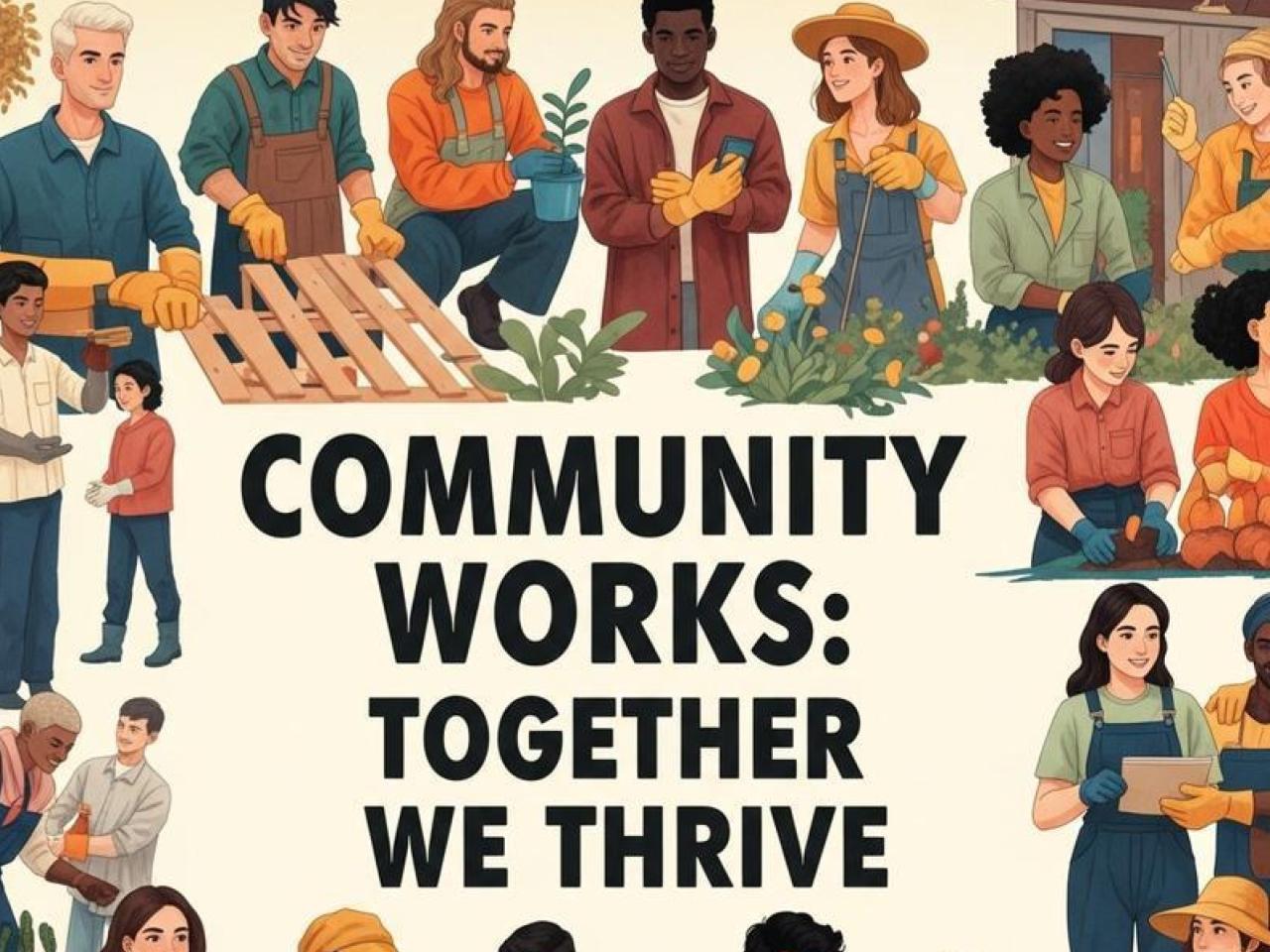
Stewarding a Regenerative Way of Life on a Living Earth
People prepared to become Resilient Communitarians are rare, often looking for different locations, and differ in some of their particular values and goals. In addition, each community needs a balanced mix of necessary skills and resources. Consequently, finding and organizing groups of such people, supporting them to create communities, and developing an ecosystem of successful communities requires a systematic process. This is exactly what we have been designing for the past two years.
Building a platform and organizing system to engage and coordinate Communitarians and to support Stewards.
Communitarians are those who are interested in forming or joining Resilient Communities. Stewards are organizers who establish Affinity Groups based on geographical area, goals, and/or values, and then organize Community Groups who work together to found communities. Our platform is partially built, but we need funding to finish and deploy it.
Donate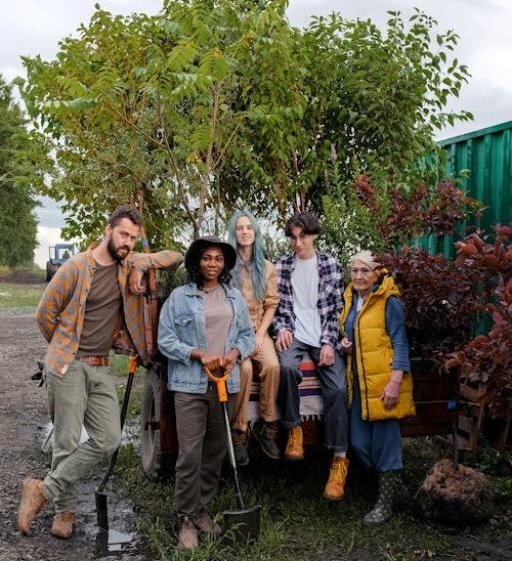

The core of our organizing model is the Stewardship Collective.
The Stewardship Collective (SC) is a collaborative learning community developing the awareness and skills for successfully organizing Affinity Groups and Resilient Communities. With the facilitation of RCN it will evolve and grow over time through the input of its members and advisors as we together coach and guide one another.
Apply to join the Stewardship Collective hereA network of small communities that can survive and thrive.
Individuals, couples, and families, whether or not they have capital, establish a network of multi-generational communities by helping to create one or joining an established one. They adopt a cooperative land tenure model with processes to achieve a good fit among members.
Learn About Our Team
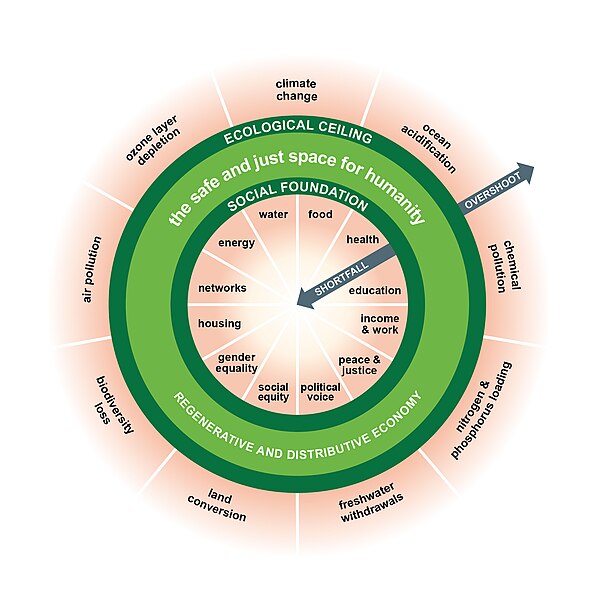
RC's economic structure largely frees its members from the extractive economy
By greatly reducing exorbitant living costs, they can invest the surplus into growing a more sustainable and equitable alternative economic system. An RC community:
- provides simple, affordable, low impact housing
- regeneratively produces much or most of its own food and other necessities
- nurtures the healing and well-being of members and the wider community
- rejuvenates ecosystems while building soil and benefiting the climate
If members' savings are kept in a community fund, they could invest their collective capital in developing the community and financing community enterprises.
Our Equity Share Model
Instead of paying rent or a mortgage, members make affordable monthly equity-share payments along with a specified share of operating costs. Mechanisms can be created to provide for "sweat equity" or valuation of material contributions.
Members receive qualified permanent control over a specific housing unit and/or portion of the land subject to housing co-op rules and land trust conditions.
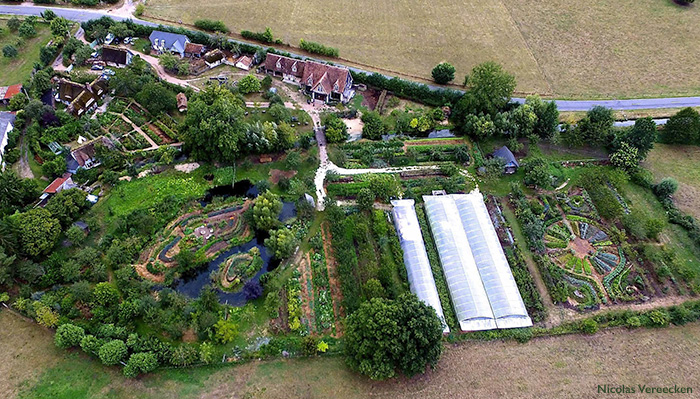
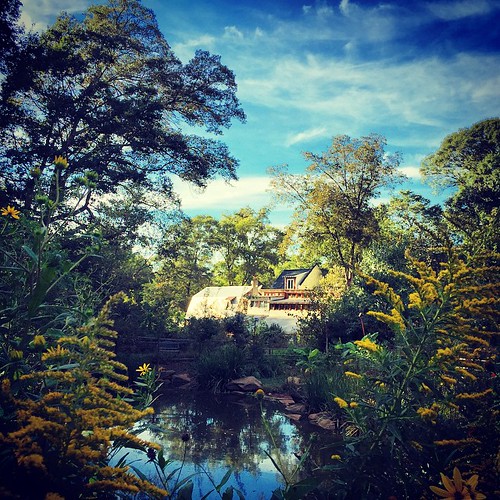
RC Land Trusts
Establish a permanent commons as a basis for living sustainably on the land within a regenerative economic system. If members are part of the initial core team they can help develop a binding land-use charter that will define how the land is to be fairly allocated and stewarded for regenerative purposes.
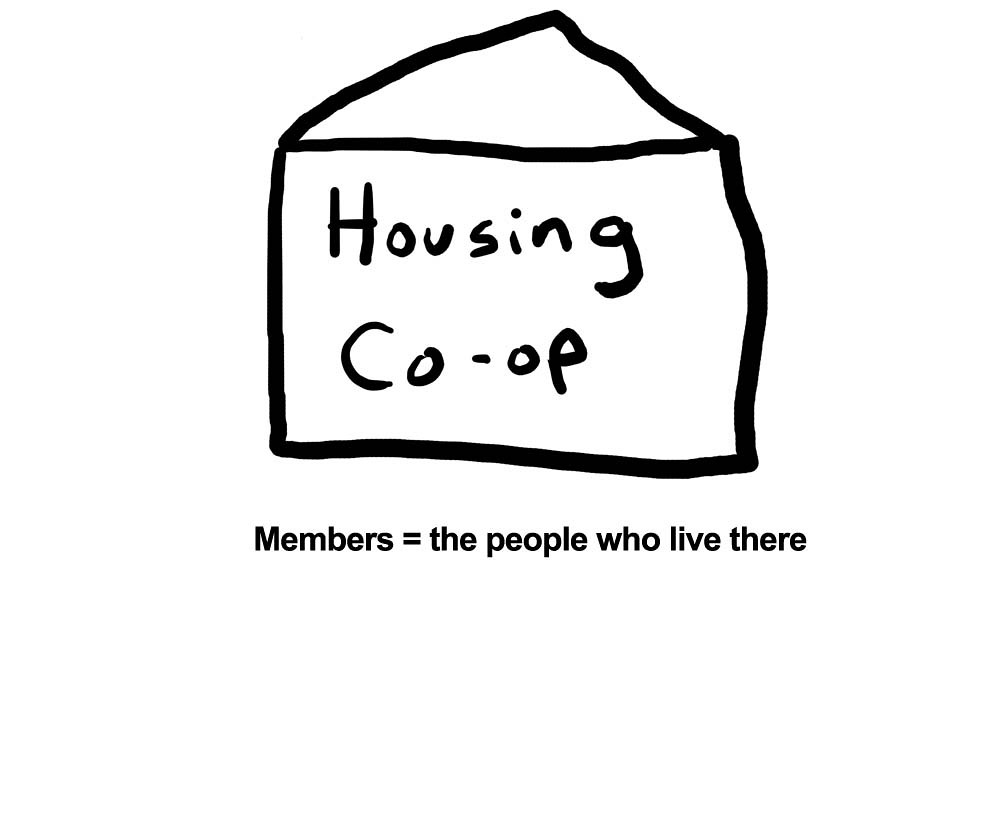
RC Housing Co-ops
Will typically be composed of clustered housing that meets zoning rules while providing desired privacy. The housing co-op's membership bylaws are crafted to help prevent, manage, or resolve interpersonal problems or conflicts through initial vetting, communication training, mediation, etc.
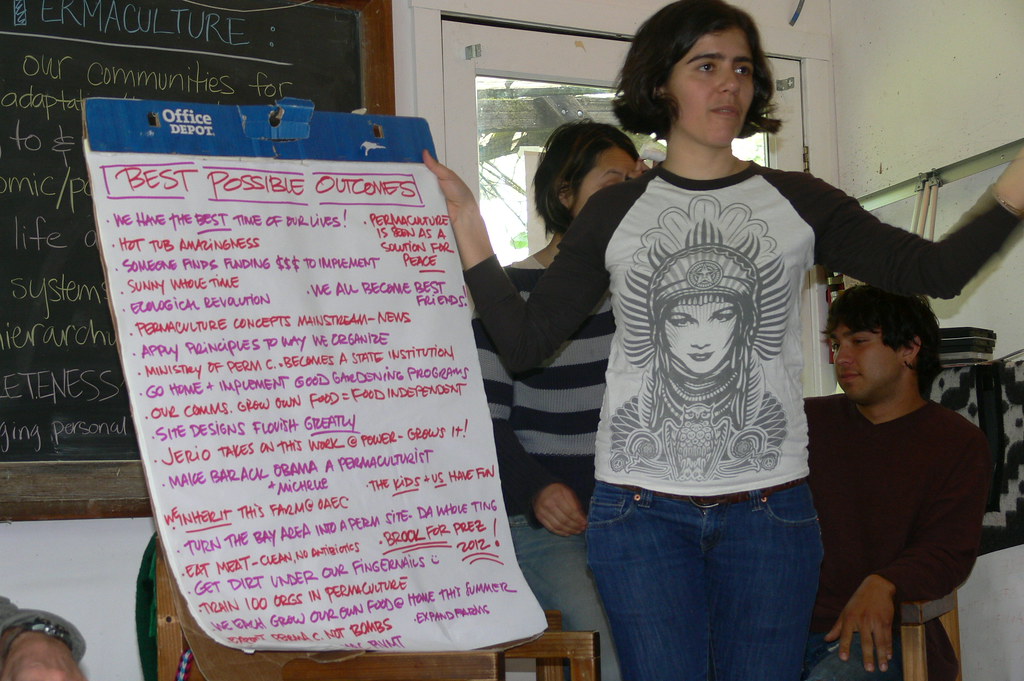
A Learning Community of generosity, humility, and constructive inquiry
Many have floundered or failed at "intentional community" for a variety of reasons, including the fact that interpersonal relationships can be incredibly complex and challenging. What is required, then, for success?
Resilient Communities Network instead builds the ability to always learn from our failures as well as our successes into everything we do.
Some Resilient Community Values:
- We are all in this together
- People Care, Land Care, Fair Share
- Love of the natural world
- Roots in land and community
- Healthy bodies, minds, and interpersonal relationships
- Individual or collective spiritual foundation
- Self-motivation and resourcefulness
- Integrity and financial responsibility
- Creativity, collaboration, and courage
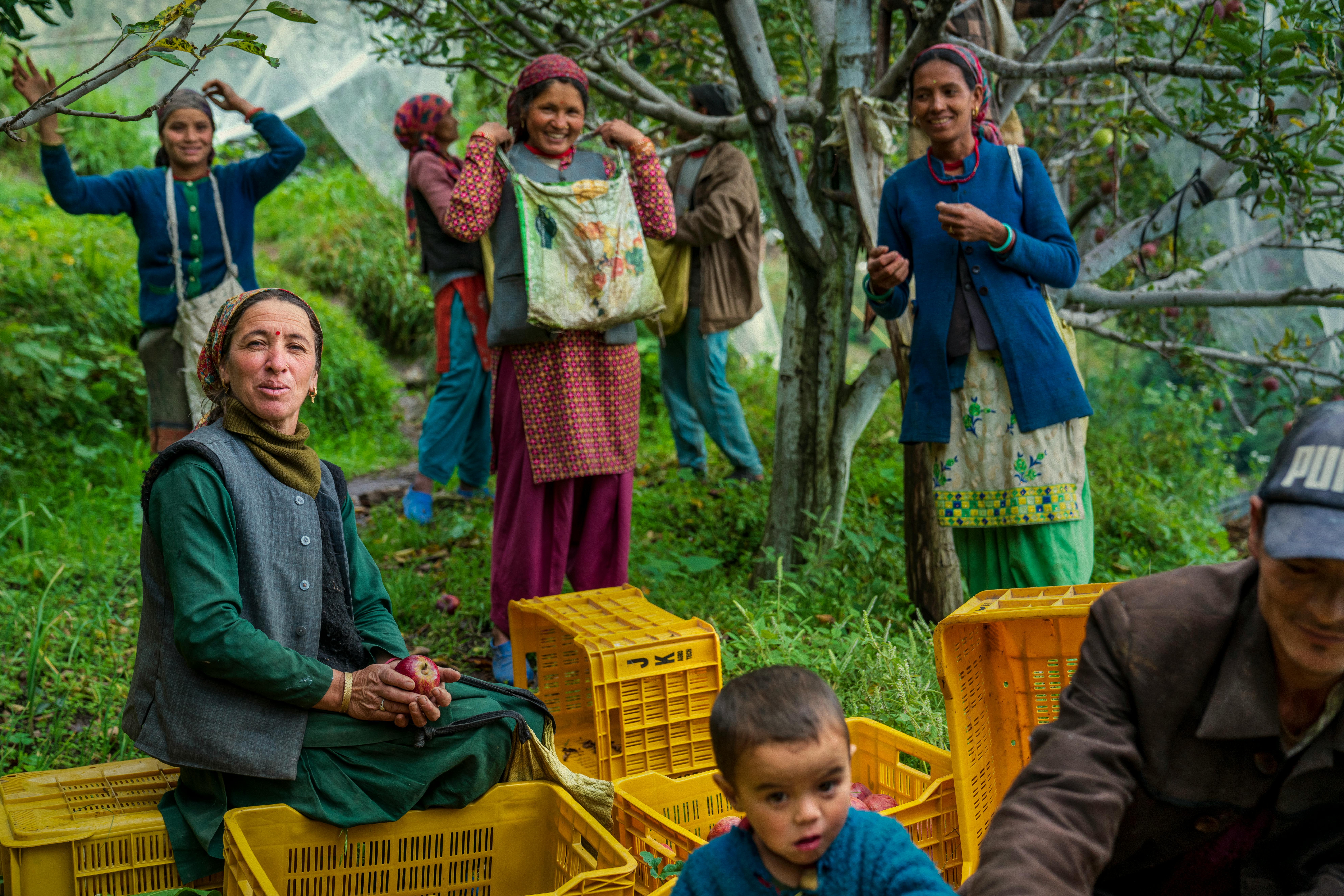

Healing Communities
When the fundamentals are fully worked out and well established through successful prototype communities, we will develop special healing communities for the larger numbers of people who are not yet psychologically prepared for such a life, but nevertheless will need it as existing systems continue to break down.
Why RC? Why now?
Many know that our fossil-fuel-powered way of life is destroying the social, economic, and environmental conditions we depend upon for our survival. But fewer know that, despite high hopes, renewable energy technologies cannot and will not save us because there is neither sufficient time nor available resources.
The only feasible way, then, to achieve a livable future for all is for the industrialized world to steadily reduce our energy use to well below current levels. This will require permaculture practices and appropriate technologies to enable a simplified way of life.
What's the story?
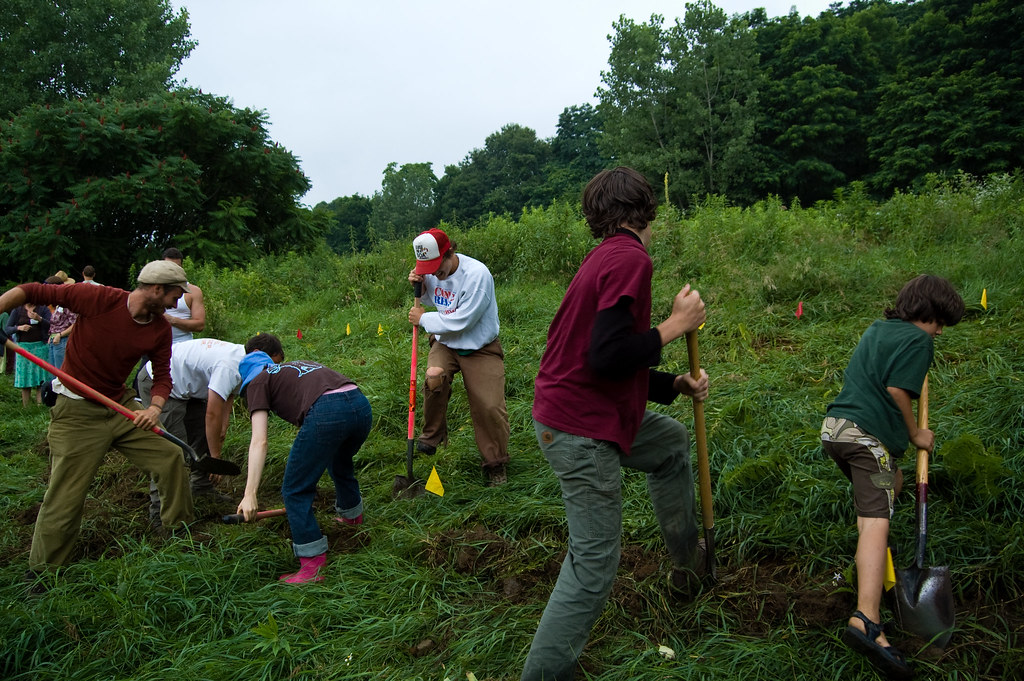
Growing Together
Resilient Communities will require a diverse membership with a variety of resources, experience, and skills:
- Permaculture, food production, and animal husbandry
- Arboriculture and silviculture
- Building construction and maintenance
- Facilities and site operations
- Vision, leadership, and facilitation
- Organization and entrepreneurship
- Administration and finance
- Architectural and landscape design